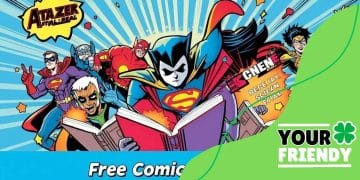
Comic book market trends 2026: what to expect


The enduring legacy of the Comic book continues to thrive as it bridges the gap between traditional print nostalgia and cutting-edge digital innovation.
As we move further into the decade, this medium is no longer just for niche enthusiasts; it has become a central pillar of global entertainment, dictating the narratives of the world’s largest film and gaming franchises.
Navigating the current landscape requires an understanding of how serialized graphic storytelling is adapting to a more diverse and tech-savvy audience.
Whether you are a lifelong collector or a newcomer drawn in by the latest cinematic adaptation, the Comic book industry offers a dynamic ecosystem of creativity that is currently undergoing a massive structural shift.
Forecasting reader preferences in 2026
Understanding reader preferences is crucial for the comic book market as we approach 2026. Predicting what fans will enjoy helps creators and publishers stay ahead of trends.
This section dives into the upcoming shifts in comic book readership.
Anúncios
Key Factors Influencing Preferences
Several elements can shape what readers gravitate towards in the near future. Emerging genres, cultural shifts, and advancements in technology play a significant role. By examining these, we can get a glimpse of potential trends.
- Genre evolution: Readers are showing more interest in diverse genres.
- Digital integration: The rise of e-readers and apps influences how comics are consumed.
- Social themes: Many fans are looking for stories that reflect real-world issues.
As comic books increasingly explore topics like mental health and social justice, they resonate more with audiences. These themes create a connection that traditional superhero stories may struggle to achieve.
Predicted Changes in Demographics
In 2025, expect to see a shift in who reads comics. Younger audiences, especially Generation Z, are developing distinct tastes. They appreciate accessibility and representation in storytelling.
Your average comic reader is diversifying, breaking away from the stereotype of a middle-aged male. Now, readers include women and people from various cultural backgrounds.
This change indicates a demand for stories that reflect a broader spectrum of experiences.
Consumer Engagement and Community
Engagement with readers is crucial for understanding their evolving tastes. Comic creators and publishers are utilizing social media to connect directly with fans. This interaction provides immediate feedback on what resonates.
- Online polls and surveys help gauge interests.
- Social media platforms allow creators to share work and receive input.
- Fan communities foster discussions around comics and trends.
Ultimately, predicting reader preferences in the coming years involves listening actively to the community. As the market shifts, staying attuned to these voices will be essential for success.
Emerging genres in the comic book market
As the comic book market evolves, emerging genres are reshaping the landscape. Fans are craving stories that reflect their diverse experiences, leading to an exciting range of new genres gaining popularity.
Fusion of Genres
One significant trend is the fusion of genres. Comic creators are blending different styles to attract wider audiences. For example, fantasy combined with science fiction creates unique narratives that captivate readers.
- Superhero horror: A mixture that enhances suspense.
- Romantic thrillers: Stories that keep readers on the edge while exploring love.
- Mystery fantasy: Incorporates fantastical elements into intriguing plotlines.
This fusion appeals to readers looking for fresh and innovative stories. Out-of-the-box ideas are now the norm, making the comic book world more dynamic than ever.
Focus on Non-Traditional Themes
Another important development is the focus on non-traditional themes. Comics are now exploring topics like mental health, identity, and social justice, connecting on deeper emotional levels with their audience.
This shift invites readers from diverse backgrounds to see themselves in the pages of comics. For example, stories centering around LGBTQ+ characters or exploring cultural heritage are resonating strongly with fans.
Visual Storytelling Innovations
Innovations in visual storytelling are also influencing emerging genres. Artistic styles are evolving, with many creators experimenting with layouts and illustrations. Graphic novels and webcomics are leading the charge, showcasing different storytelling techniques.
- Minimalist designs: Highlighting dialogue and character emotion.
- Mixed media: Combining photography and traditional art for unique effects.
- Interactive formats: Engaging readers in storytelling through technology.
These developments not only attract seasoned comic fans but also draw in newcomers who might not have otherwise picked up a comic book.
The combination of emerging genres and innovative storytelling methods is paving the way for a vibrant, diverse future in comics.
Digital versus print: what’s next?

The debate of digital versus print comics is heating up as new technologies emerge. Both formats have their fans, but understanding what lies ahead is essential for creators and readers alike.
The future of comics could see a blend of both mediums, catering to diverse preferences.
Advantages of Digital Comics
Digital comics offer several benefits that appeal to modern readers. They provide convenience and accessibility, making it easier for fans to read on the go.
Many readers appreciate not having to store physical copies, allowing them to access a vast library of titles from their devices.
- Instant availability: Readers can download comics instantly.
- Interactive features: Digital formats can include animations and sound.
- Affordable pricing: Often, digital comics are cheaper than print versions.
This accessibility has expanded the audience for comics, attracting tech-savvy younger generations. Moreover, it enables indie creators to reach readers without traditional publishing barriers, revolutionizing how stories are shared.
Benefits of Print Comics
On the other hand, print comics hold a special place in the hearts of many fans.
The tactile experience of flipping through pages and the smell of ink contribute to the nostalgia and enjoyment of print comics. Collectors also value physical editions, often seeking rare or limited prints.
- Physical presence: Owning a physical copy feels more rewarding.
- Collectible value: Rare editions can become valuable.
- Artistic appreciation: Print showcases the artwork more vividly.
This appreciation for print remains strong, with many creators producing visually stunning comics meant to be admired as art.
The rich colors and details in print versions often stand out more than digital displays, contributing to their lasting appeal.
The Future: A Hybrid Approach
The future likely holds a hybrid approach, blending the strengths of both digital and print. As technology evolves, new formats could emerge that satisfy both types of readers.
Examples include exclusive digital content paired with print editions, enhancing the value of each format.
Publishers are already experimenting with subscription models, offering both digital and print options. This trend could grow as more readers want flexibility in how they consume comics.
Expect to see a landscape where digital and print comics coexist, offering fans varied ways to enjoy their favorite stories.
Collector’s market insights for 2025
The collector’s market for comics is evolving rapidly as we approach 2025. Understanding the trends that will shape this market is vital for enthusiasts and investors alike.
With a surge in interest from new collectors, the dynamics of buying and selling are changing.
Key Trends in Collecting
One of the most significant trends is the increasing value of niche comics. Rare editions and indie comics are capturing the attention of collectors who seek unique finds.
This shift is driven by a desire for exclusivity and limited runs.
- First editions: These continue to hold high value.
- Variant covers: Special covers can significantly increase a comic’s worth.
- Indie comics: Growing popularity among collectors seeking something different.
Collectors are not only looking for mainstream titles anymore; they are diving into the diverse selection that independent publishers offer. This trend reflects a broader cultural shift toward supporting indie artists and smaller companies.
Online Marketplaces and Auctions
The rise of online marketplaces has transformed how collectors buy and sell comics. Websites like eBay and specialized comic platforms allow for easy access to a global market.
Auctions are becoming increasingly popular, with many collectors participating in live events or online bidding.
- Accessibility: Collectors can find rare comics from anywhere.
- Competitive bidding: Auctions create excitement and urgency.
- Transparency: Buyers can verify prices and conditions easily.
This change has made collecting more dynamic. New buyers can engage with the market without needing to visit local shops. As a result, the community is expanding rapidly, bringing in fresh faces eager to discover the world of comics.
The Role of Social Media
Social media platforms are also influencing the collector’s market. Communities are flourishing where collectors share insights, showcase their collections, and discuss trends.
Platforms like Instagram and TikTok are pivotal in showcasing rare finds and connecting with other collectors.
These interactions not only enhance the sense of community but also drive interest in specific comics. As collectors post their acquisitions, others may seek the same issues, sparking demand.
Engagement through live streams and influencer promotions is becoming a vital part of the collector’s ecosystem, making the market more vibrant.
As we look toward 2025, the collector’s market for comics will likely continue to thrive, driven by new collectors, innovative platforms, and a diverse array of comics.
Staying informed about these trends will be crucial for those looking to navigate this exciting landscape.
Impact of streaming services on comics

The rise of streaming services is significantly impacting the comic book industry.
As more adaptations of popular comics find their way onto platforms like Netflix and Disney+, interest in the original source material is growing among new audiences.
This shift presents both opportunities and challenges in the comic book market.
Increased Visibility for Comics
Streaming services provide a platform that showcases comics. By bringing beloved stories to the screen, these adaptations draw attention to the original comics.
Viewers who enjoy the shows often seek out the comics for a deeper understanding of the characters and plots.
- Expanded audience: New readers are discovering comics through their favorite shows.
- Merchandising opportunities: Popular adaptations create booming merchandise sales.
- Cross-promotion: Streaming platforms can advertise comics based on their shows.
This newfound visibility can lead to increased sales for comic book publishers. Engaging adaptations pique interest and drive fans to explore the original content.
Changing Reader Preferences
As streaming services push for more diverse content, the themes and styles of comics are evolving.
Creators are increasingly developing stories that resonate with different cultures and demographics. This shift aligns with the broader entertainment landscape, where inclusivity is becoming a key focus.
This evolution of themes means readers may find comics tackling issues like mental health, identity, and social challenges.
As the comic book industry adapts, it mirrors the progressive narratives found in many successful streaming series.
Impact on Release Strategies
Moreover, the integration of comics into streaming narratives is influencing how comics are released. Publishers may align comic book releases with upcoming show launches, creating buzz around both the comic and the adaptation.
This strategy can maximize marketing efforts and encourage fans to engage with both mediums.
Additionally, comic publishers are considering how digital formats can complement streaming. Interactive comics or web-based content may emerge, enriching the storytelling experience.
This dynamic interaction between comics and streaming is reshaping how stories are told and experienced.
As we look ahead, the impact of streaming services on comics will continue to grow, offering exciting opportunities for both creators and fans. Understanding this relationship helps navigate the future of comic storytelling.
In conclusion, the evolving landscape of the comic book market presents exciting opportunities as we approach 2025.
The rise of diverse genres, the impact of streaming services, and the insights from the collector’s market all highlight the changing preferences of readers.
As both digital and print formats coexist, understanding these trends will be vital for creators and fans alike. Embracing innovation while honoring the rich history of comics will ensure that this beloved medium continues to thrive.
Conclusion
As we look toward the horizon of 2026, the Comic book market is more resilient and varied than ever before.
The fusion of high-tech digital reading habits with the high-value collector’s market ensures that there is a place for every type of fan.
By embracing new genres and prioritizing diverse voices, the industry is securing its future as the world’s most versatile storytelling medium.
According to data from the US Comic Books Market Report by Grand View Research, the industry is experiencing a compound annual growth rate driven significantly by the “Digital” and “Graphic Novel” segments.
Their research highlights that while traditional periodicals remain stable, the real expansion is happening in specialized bookstores and online platforms.
The Comic book of 2026 is a global powerhouse, and the trends we see today are only the beginning of its next golden age.
FAQ – Comic Book Market Trends 2025
How are streaming services impacting comic book sales?
Streaming services are increasing visibility for comics by adapting popular titles into shows, driving new audiences to the original material.
What are the emerging genres in the comic book market?
Diverse genres are gaining popularity, including those that reflect real-world issues and cross-genre stories that blend elements like fantasy and horror.
What factors are changing collector preferences?
Collectors are increasingly interested in niche comics, limited editions, and indie titles, seeking unique and exclusive items for their collections.
How are digital comics competing with print comics?
Digital comics offer convenience and instant access, while print comics maintain value through their collectible nature and physical presence, creating a dynamic market.
Liked the article?