Empathy-Focused Education: US Schools See 15% Increase by 2026

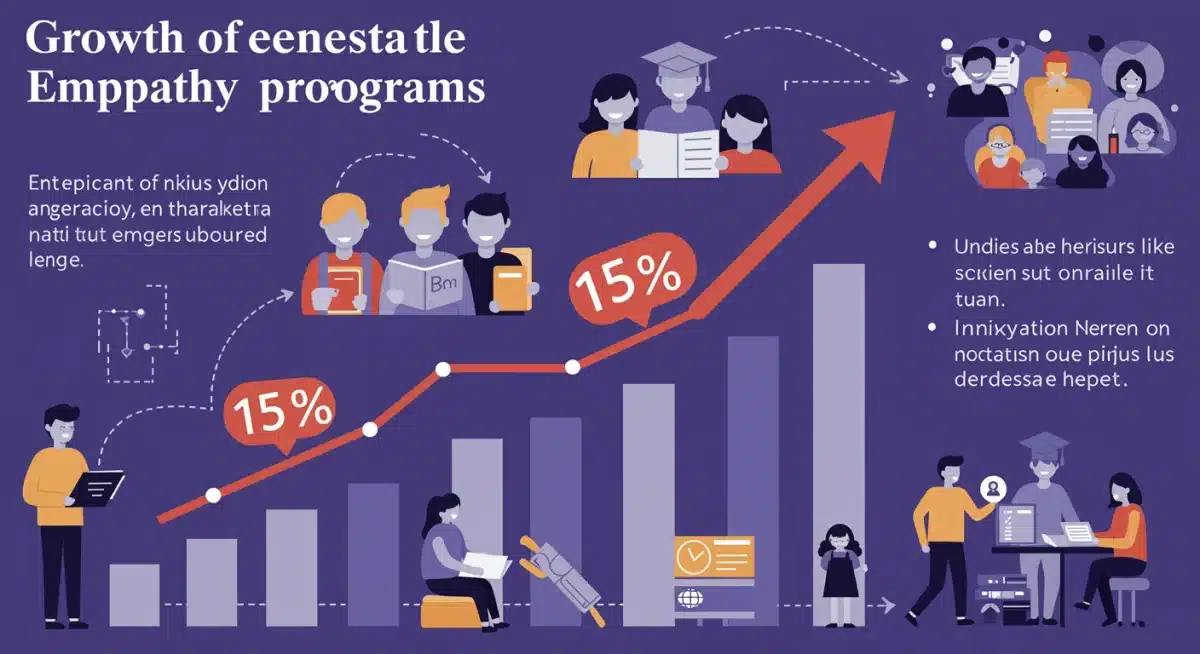
A recent national report indicates a substantial 15% increase in Empathy-Focused Educational Programs across U.S. schools by early 2026. This trend reflects a growing commitment to fostering social-emotional skills among students, preparing them for complex interpersonal challenges. The shift signifies a broader recognition of empathy’s role in academic and personal success.
A significant development in the American educational landscape has emerged, with a national report confirming a National Report Reveals 15% Increase in Empathy-Focused Educational Programs Across U.S. Schools by Early 2026. This upward trend signals a concerted effort to integrate social-emotional learning into core curricula, moving beyond traditional academic metrics to cultivate well-rounded individuals. The report underscores a pivotal shift in educational priorities, emphasizing the importance of emotional intelligence and interpersonal understanding.
The findings, released recently, highlight a growing national consensus on the necessity of empathy in developing resilient and compassionate students. This increase is not just a statistical anomaly but a reflection of evolving pedagogical approaches and a deeper understanding of student needs. Educators and policymakers are increasingly recognizing that fostering empathy is crucial for both individual well-being and societal harmony.
As the U.S. education system adapts to contemporary challenges, the focus on Empathy-Focused Educational Programs demonstrates a proactive stance. This article delves into the specifics of this report, exploring the drivers behind this growth, the methodologies employed, and the anticipated long-term impacts on students, schools, and communities nationwide. It’s a critical moment for understanding the future trajectory of American education.
The Rising Tide of Empathy in Education
The recent national report has brought to light a remarkable 15% increase in Empathy-Focused Educational Programs across U.S. schools, projected to be in effect by early 2026. This significant growth indicates a deliberate and widespread integration of empathy into educational frameworks, moving beyond incidental teaching to structured programs.
This surge reflects a broader understanding among educational leaders and parents alike that academic success is intrinsically linked to social and emotional development. The push for Empathy-Focused Educational Programs is seen as a strategic investment in the holistic growth of students, preparing them not just for careers but for life.
The report details how various states and districts are adopting these programs, often driven by both grassroots initiatives and top-down mandates. This dual approach ensures both relevance at the local level and systemic support for widespread implementation, making the 15% increase a robust and sustainable trend.
Anúncios
Drivers Behind the Empathy Program Surge
Several key factors are propelling the expansion of Empathy-Focused Educational Programs, creating a fertile ground for their widespread adoption. These drivers range from mounting research evidence to evolving societal expectations for educational institutions.
One primary catalyst is the growing body of research demonstrating the positive correlation between empathy and various student outcomes, including academic performance, reduced bullying, and improved mental health. This scientific backing provides a strong rationale for schools to invest in these critical programs.
Furthermore, increased awareness of social-emotional learning (SEL) and its benefits has played a crucial role. Parents, educators, and community leaders now demand curricula that equip students with the skills to navigate complex social interactions and contribute positively to society, making Empathy-Focused Educational Programs a natural fit.
Research Supporting Empathy Initiatives
Extensive studies have consistently shown that students involved in empathy-building activities exhibit higher levels of emotional regulation and conflict resolution skills. These findings provide compelling data for school administrators to implement and expand Empathy-Focused Educational Programs effectively.
The long-term benefits extend beyond the classroom, fostering a generation of individuals better equipped to engage in civil discourse and collaborative problem-solving. This evidence-based approach is a cornerstone of the current expansion, ensuring that these programs are not just trends but essential components of modern education.
- Improved academic performance across subjects.
- Significant reduction in instances of bullying and aggression.
- Enhanced mental well-being and emotional resilience in students.
- Greater capacity for teamwork and collaborative learning environments.
Parental and Community Advocacy
Parental involvement and community advocacy have been instrumental in pushing for more Empathy-Focused Educational Programs. Concerned about social challenges, parents are actively seeking schools that prioritize character development alongside academic rigor.
Local community organizations are also partnering with schools to provide resources and training, creating a supportive ecosystem for empathy education. This collaborative effort ensures that the values taught in school are reinforced at home and within the wider community, amplifying their impact.
Implementation Strategies and Methodologies
The successful integration of Empathy-Focused Educational Programs relies heavily on diverse and effective implementation strategies. Schools are adopting a range of methodologies, from dedicated curriculum modules to infusing empathy into existing subjects.
Many programs utilize storytelling, role-playing, and collaborative projects to help students understand different perspectives and emotional states. These hands-on approaches make learning engaging and relatable, fostering a deeper understanding of empathy in practical contexts.
Teacher training is another critical component, ensuring educators are well-equipped to facilitate these sensitive and impactful discussions. Professional development workshops focus on equipping teachers with the tools and confidence to effectively deliver Empathy-Focused Educational Programs.

Curriculum Integration Approaches
Schools are finding innovative ways to weave empathy into the fabric of daily learning, rather than treating it as an isolated subject. This integration ensures that empathy becomes a pervasive value throughout the educational experience.
For instance, literature classes explore characters’ motivations and emotions, while history lessons discuss the impact of past events on diverse communities. These cross-curricular applications make Empathy-Focused Educational Programs more impactful and relevant.
- Embedding empathy themes into existing subjects like literature and history.
- Utilizing project-based learning to encourage collaborative problem-solving.
- Implementing restorative justice practices to foster understanding and reconciliation.
- Developing dedicated social-emotional learning modules for all grade levels.
Teacher Training and Professional Development
The effectiveness of any educational program hinges on the capabilities of its educators, and Empathy-Focused Educational Programs are no exception. Comprehensive teacher training is paramount to successful implementation.
These professional development initiatives equip teachers with the necessary pedagogical skills and emotional intelligence to guide students through complex topics related to empathy. Investing in educators ensures the longevity and quality of these vital programs.
Anticipated Impacts on Students and School Culture
The 15% increase in Empathy-Focused Educational Programs is expected to yield profound positive impacts on students and transform school cultures. These programs aim to create more inclusive, supportive, and understanding learning environments.
Students exposed to these initiatives are anticipated to develop stronger interpersonal skills, leading to fewer conflicts and a greater sense of belonging. This fosters a positive school climate where every student feels valued and respected, enhancing overall well-being.
Beyond individual student benefits, the widespread adoption of Empathy-Focused Educational Programs can cultivate a school culture that prioritizes kindness, respect, and mutual understanding. This shift can reduce disciplinary issues and create a more conducive atmosphere for learning and growth.
Creating Inclusive Learning Environments
A core benefit of Empathy-Focused Educational Programs is their capacity to foster truly inclusive learning spaces. By teaching students to understand and appreciate diverse perspectives, schools can dismantle barriers to belonging.
When students learn to empathize with their peers, differences become sources of strength rather than division. This leads to a more harmonious and enriching educational experience for everyone, directly impacting the school’s social fabric.
Challenges and Future Outlook for Empathy Programs
While the growth of Empathy-Focused Educational Programs is encouraging, challenges remain in their sustained implementation and evaluation. These hurdles include securing adequate funding, developing standardized metrics, and ensuring long-term program fidelity.
Despite these obstacles, the future outlook for empathy education appears robust, driven by continued advocacy and a growing body of evidence supporting its efficacy. The 15% increase is just the beginning of a larger movement towards more emotionally intelligent schooling.
Ongoing research and collaboration among educators, policymakers, and communities will be crucial in overcoming these challenges. The goal is to ensure that Empathy-Focused Educational Programs become a permanent fixture in U.S. schools, benefiting generations to come.
Sustaining Growth and Funding
Maintaining the momentum of a 15% increase in Empathy-Focused Educational Programs requires sustained financial commitment and strategic resource allocation. Funding models must be robust enough to support initial implementation and ongoing program needs.
Advocacy groups are working to secure dedicated state and federal funding for social-emotional learning initiatives, recognizing their long-term societal benefits. This financial stability is crucial for the continued success and expansion of these vital programs across the nation.
| Key Point | Brief Description |
|---|---|
| Program Growth | 15% increase in Empathy-Focused Educational Programs by early 2026. |
| Core Drivers | Research evidence, SEL awareness, and community advocacy. |
| Implementation | Curriculum integration, dedicated modules, and teacher training. |
| Anticipated Impact | Improved student well-being, reduced conflicts, and inclusive school cultures. |
Frequently Asked Questions About Empathy Education
These programs are designed to teach students emotional literacy, perspective-taking, and compassionate action. They often involve specific lessons, activities, and discussions aimed at helping students understand and share the feelings of others, fostering positive social behaviors and ethical decision-making.
The increase is driven by growing research evidence linking empathy to positive academic and social outcomes, increased awareness of social-emotional learning’s importance, and strong advocacy from parents and communities. Schools recognize the critical need to prepare students for a complex world beyond just academics.
Implementation varies but commonly includes integrating empathy themes into existing subjects like literature and history, utilizing dedicated social-emotional learning modules, and employing project-based learning. Comprehensive teacher training is also a vital component to ensure effective delivery and sustained impact.
Students are expected to experience improved academic performance, reduced instances of bullying, enhanced mental well-being, and stronger interpersonal skills. These programs also aim to foster more inclusive school environments and prepare students for collaborative roles in their future lives and careers.
Key challenges include securing consistent funding, developing standardized metrics for evaluating program effectiveness, and ensuring long-term commitment from school administrations and educators. Overcoming these requires ongoing collaboration, robust research, and sustained community support.
Looking Ahead: The Broader Implications
The 15% increase in Empathy-Focused Educational Programs across U.S. schools by early 2026 signifies a profound shift in educational philosophy. This trend extends beyond mere curriculum adjustments, pointing towards a future where emotional intelligence is as valued as academic aptitude. The long-term implications suggest a generation of students better equipped to navigate social complexities, fostering more compassionate communities and a more understanding society. Continued monitoring of implementation and impact will be crucial to fully realize the promise of these vital initiatives.