Americans Prioritize Relationship Building Skills in Education
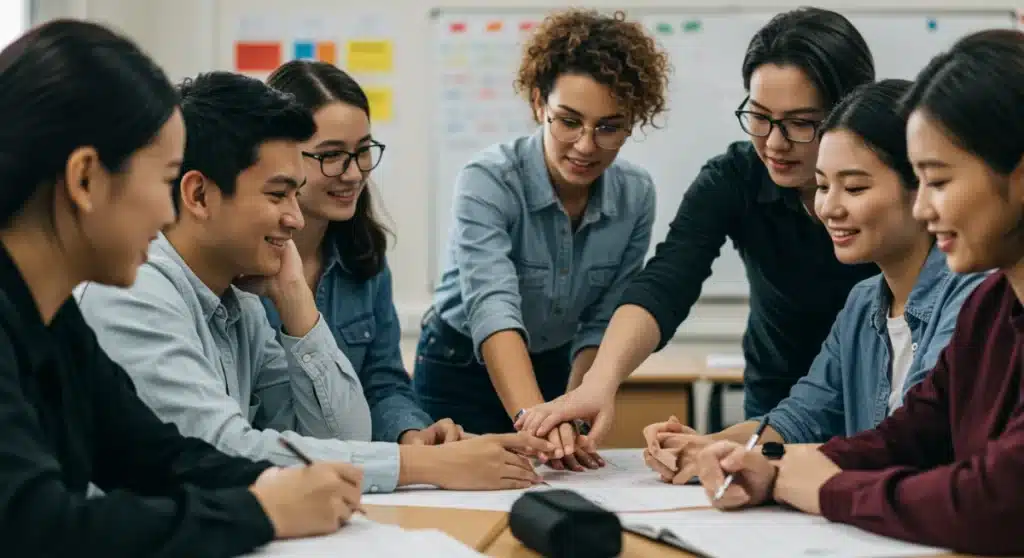
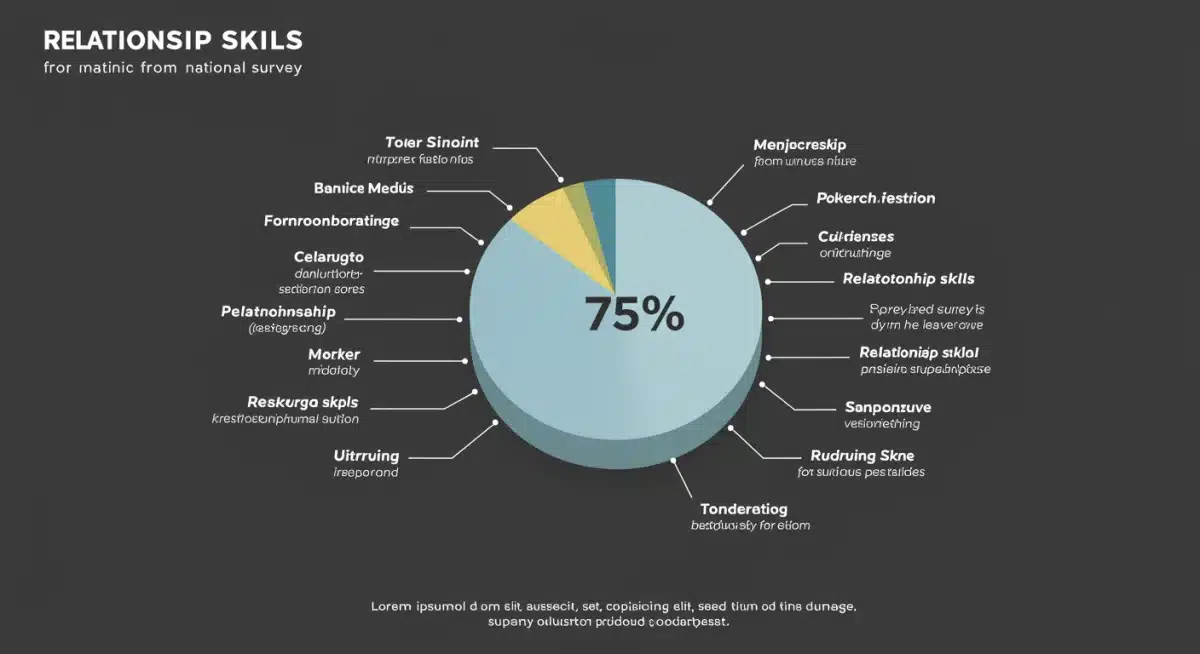
A groundbreaking national survey reveals 75% of Americans prioritize relationship building skills in 2026 educational curricula, signaling a significant shift in public expectations for schools. This focus extends beyond traditional academics, emphasizing the critical role of social-emotional learning in student development. The findings highlight a collective desire to better prepare students for complex social and professional challenges.
The recent National Survey Reveals 75% of Americans Prioritize Relationship Building Skills in 2026 Educational Curricula, marking a pivotal moment in the ongoing discourse about the future of American education. This widespread consensus underscores a growing understanding that academic prowess alone is insufficient for navigating an increasingly interconnected world. The data suggests a strong public mandate for integrating these essential competencies into learning environments.
As educators and policymakers consider the implications, the survey’s results provide a clear directive: fostering robust interpersonal skills is no longer a supplementary goal but a central educational imperative. This shift reflects a broader societal recognition of the profound impact that effective communication, empathy, and conflict resolution have on individual well-being and collective success. The demand for these skills is poised to reshape curriculum development across the nation.
Public Demands for Enhanced Social-Emotional Learning
The recent national survey has unveiled a compelling public mandate for educational institutions to prioritize social-emotional learning, specifically focusing on relationship building skills. This widespread demand signifies a shift from purely academic metrics to a more holistic approach to student development. The findings indicate a collective understanding that these competencies are crucial for success in all aspects of life.
Americans are increasingly recognizing that strong interpersonal abilities contribute significantly to mental health, career prospects, and civic engagement. The survey’s revelation that 75% of the population supports this educational emphasis reflects a desire for schools to produce well-rounded individuals. This sentiment is driving conversations about how best to integrate these vital lessons into daily classroom experiences.
This push for relationship building skills in education is not merely a theoretical concept; it is a practical call to action. Parents, community leaders, and employers are all echoing the need for graduates who can collaborate effectively, communicate clearly, and resolve conflicts constructively. The survey provides undeniable evidence of this societal expectation.
Understanding the Scope of Relationship Building Skills
Relationship building skills encompass a broad spectrum of social and emotional competencies that enable individuals to interact effectively and harmoniously with others. These skills go beyond simple politeness, delving into deeper aspects of human connection and mutual understanding. They are foundational for fostering healthy personal and professional relationships.
Anúncios
The public’s prioritization of these skills in education highlights a desire for students to develop empathy, active listening, conflict resolution, and effective communication. These are not innate traits but learned behaviors that can be cultivated through intentional instruction and practice. Integrating them into curricula aims to provide students with a robust toolkit for life.
Furthermore, these competencies are crucial for navigating diverse social environments and contributing positively to communities. By equipping students with strong relationship building skills, educational systems can help foster a more empathetic and cooperative society. This comprehensive approach to learning addresses both individual growth and collective societal well-being.
Defining Core Competencies for 2026 Curricula
The core competencies include active listening, which involves fully concentrating on what others are saying rather than just passively hearing the message. It also encompasses empathy, the ability to understand and share the feelings of another, which is fundamental for genuine connection. These skills are essential for effective collaboration.
Another critical aspect is conflict resolution, teaching students how to address disagreements constructively and find mutually agreeable solutions. Effective verbal and non-verbal communication are also paramount, ensuring that messages are conveyed clearly and respectfully. These elements collectively form the bedrock of robust interpersonal interactions.
- Active listening and empathetic understanding.
- Constructive conflict resolution strategies.
- Clear and respectful verbal and non-verbal communication.
The Role of Emotional Intelligence in Education
Emotional intelligence, often abbreviated as EQ, is intrinsically linked to relationship building skills and is increasingly recognized as a key indicator of personal and professional success. It involves understanding and managing one’s own emotions, as well as recognizing and influencing the emotions of others. High EQ individuals tend to navigate social situations more adeptly.
Integrating emotional intelligence into educational frameworks means teaching students self-awareness, self-regulation, motivation, empathy, and social skills. These components directly contribute to their ability to form and maintain healthy relationships. Schools are now looking at practical ways to foster these attributes from an early age, moving beyond theoretical discussions to applied learning.
The emphasis on emotional intelligence is a direct response to the demands of modern workplaces and the complexities of adult life. By developing these capacities in students, educators aim to prepare them not just for careers, but for fulfilling lives marked by strong connections and resilience. This holistic view of education is gaining significant traction across the nation.
Why the Shift? Societal Needs and Future Readiness
The pronounced shift towards prioritizing relationship building skills in education stems from a confluence of evolving societal needs and a growing recognition of what truly prepares individuals for the future. Traditional academic models, while important, are increasingly seen as insufficient in isolation. The complexities of modern life demand a broader skill set.
Changes in the workforce, the rise of collaborative economies, and the pervasive nature of digital communication all highlight the necessity for strong interpersonal competencies. Employers consistently rank communication, teamwork, and problem-solving as top skills they seek in candidates. Education must adapt to meet these real-world demands, ensuring graduates are truly future-ready.
Moreover, concerns about mental health and social cohesion underscore the importance of fostering empathy and connection among young people. The isolation often associated with digital interactions makes direct, meaningful human relationships even more critical. Schools are now viewed as vital spaces for cultivating these essential human connections and mitigating societal challenges.
Impact on Workforce Development and Collaboration
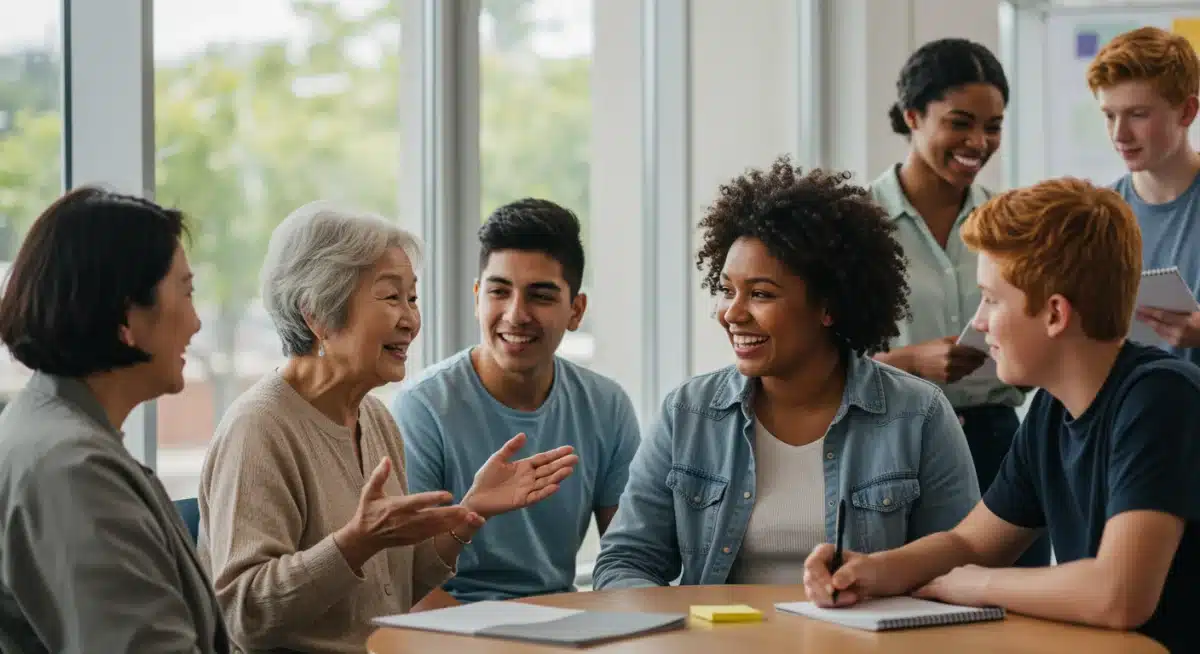
The modern workforce is characterized by collaboration, teamwork, and cross-functional interactions, making strong relationship building skills indispensable for career success. Companies are no longer seeking employees who can merely perform tasks in isolation, but rather individuals who can contribute effectively within diverse teams. This shift in employer expectations directly influences educational priorities.
Graduates equipped with robust communication, negotiation, and conflict resolution skills are better positioned to thrive in corporate environments, startups, and entrepreneurial ventures. They can navigate team dynamics, lead projects, and build consensus, all of which are critical for innovation and productivity. The integration of these skills into curricula is a direct response to industry demands.
- Increased demand for collaborative problem-solving.
- Emphasis on effective team communication.
- Necessity for negotiation and conflict resolution in professional settings.
Addressing Mental Health and Well-being through Connection
The emphasis on relationship building skills in education also directly addresses pressing concerns around student mental health and overall well-being. Strong social connections and the ability to form supportive relationships are powerful protective factors against loneliness, anxiety, and depression. Schools play a crucial role in fostering these vital bonds.
By teaching empathy, active listening, and healthy communication, educational institutions empower students to build meaningful friendships and seek support when needed. These skills help create more inclusive and supportive school environments, where students feel understood and valued. This proactive approach contributes significantly to their emotional resilience and overall happiness.
Investing in relationship building skills is an investment in the holistic health of students, preparing them not just academically but emotionally and socially. This focus acknowledges that a student’s well-being is intrinsically linked to their ability to connect with others. It provides a foundation for lifelong emotional stability and positive social engagement.
Challenges and Opportunities in Curriculum Integration
Integrating relationship building skills into educational curricula presents both significant challenges and transformative opportunities for schools nationwide. While there is broad public support, the practical implementation requires careful planning, resource allocation, and sustained commitment from all stakeholders. This process involves more than just adding new subjects.
A primary challenge lies in developing effective pedagogical approaches that move beyond theoretical instruction to experiential learning, allowing students to practice and internalize these skills. Opportunities arise in creating innovative programs that blend social-emotional learning with academic content, demonstrating its relevance across disciplines. The goal is to make these skills an inherent part of the learning experience.
Furthermore, teacher training and professional development are crucial to ensure educators are equipped to teach and model these competencies effectively. This integration represents a chance to redefine the purpose of education, moving towards a model that nurtures the whole child. The successful navigation of these challenges will ultimately shape the future of American education.
Innovative Pedagogical Approaches for Skill Development
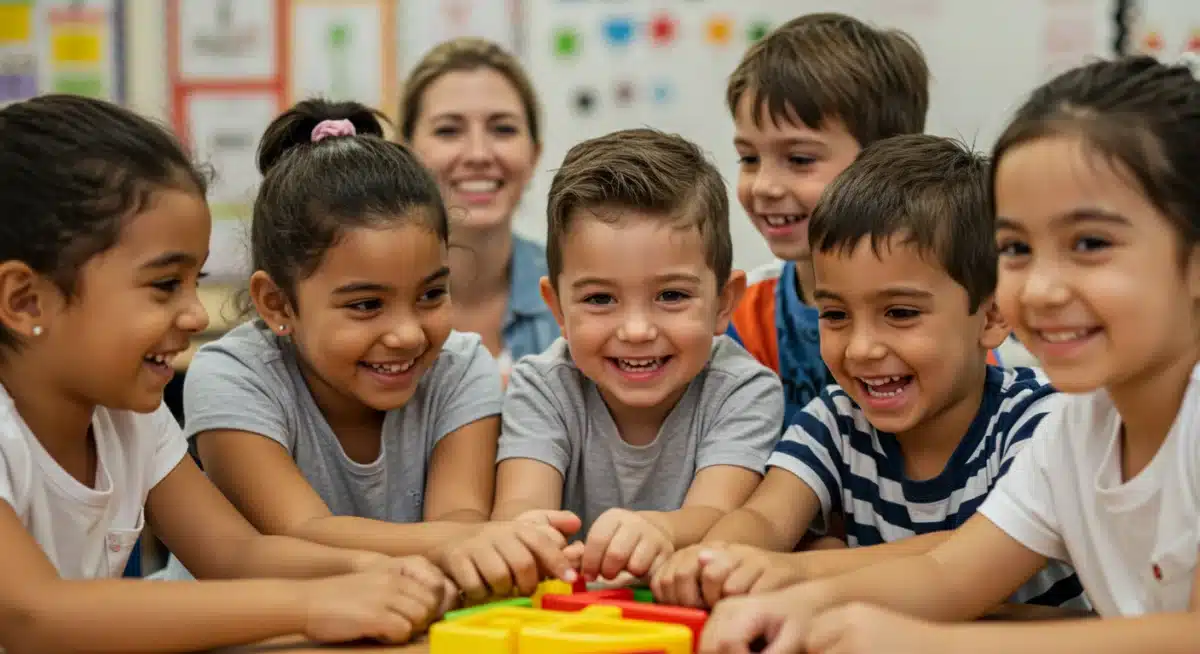
To effectively integrate relationship building skills, educators are exploring innovative pedagogical approaches that prioritize active learning and real-world application. This includes project-based learning, where students collaborate on complex tasks, requiring them to communicate, negotiate, and resolve conflicts naturally. Role-playing and simulations also offer safe environments for practicing difficult social interactions.
Service-learning initiatives, which connect classroom learning with community engagement, provide opportunities for students to apply empathy and communication skills in diverse contexts. Restorative justice practices in schools focus on repairing harm and building relationships, teaching students accountability and understanding. These methods move beyond lectures to foster deep, experiential learning.
The goal is to create classrooms where social-emotional learning is not an add-on but an embedded aspect of every lesson and interaction. This requires creativity and flexibility from educators, leveraging opportunities across subjects to reinforce these vital competencies. The effectiveness of these approaches will be key to successful implementation.
Teacher Training and Resource Allocation
The successful integration of relationship building skills into 2026 educational curricula hinges significantly on comprehensive teacher training and adequate resource allocation. Educators need specialized professional development to understand how to effectively teach, model, and assess these social-emotional competencies. This is a new frontier for many teachers.
Training programs must provide practical strategies for classroom management, conflict resolution, and fostering a supportive learning environment. Furthermore, schools require sufficient resources, including dedicated staff, curriculum materials, and ongoing support systems, to sustain these initiatives. Without these investments, even the best intentions may falter, impacting the quality of instruction.
Addressing these needs will ensure that teachers feel confident and capable in delivering this crucial aspect of education. It is an investment in human capital that directly benefits students and the broader educational community. Prioritizing these areas will be essential for realizing the vision of a more holistically educated generation.
Parental Involvement and Community Support
The successful integration of relationship building skills into educational curricula largely depends on robust parental involvement and strong community support. Schools cannot achieve this transformation in isolation; it requires a collaborative ecosystem where families and local organizations reinforce the values and skills taught in the classroom. This shared responsibility amplifies impact.
Engaging parents through workshops, communication channels, and shared learning opportunities ensures consistency between home and school environments. When families understand and champion these skills, students receive reinforcement from multiple directions, solidifying their learning. This partnership creates a powerful foundation for social-emotional growth, extending the educational impact beyond school hours.
Community organizations, youth groups, and local businesses can also play a vital role by offering mentorship, practical experiences, and real-world applications of these skills. This broader network of support demonstrates the relevance and importance of relationship building skills in various contexts. The synergy between school, home, and community is paramount for long-term success.
Measuring Success: Assessment and Outcomes
Measuring the success of integrating relationship building skills into educational curricula presents unique challenges compared to traditional academic assessments. Standardized tests often fall short in evaluating complex social-emotional competencies. Therefore, innovative and holistic assessment methods are crucial to gauge progress and demonstrate impact effectively.
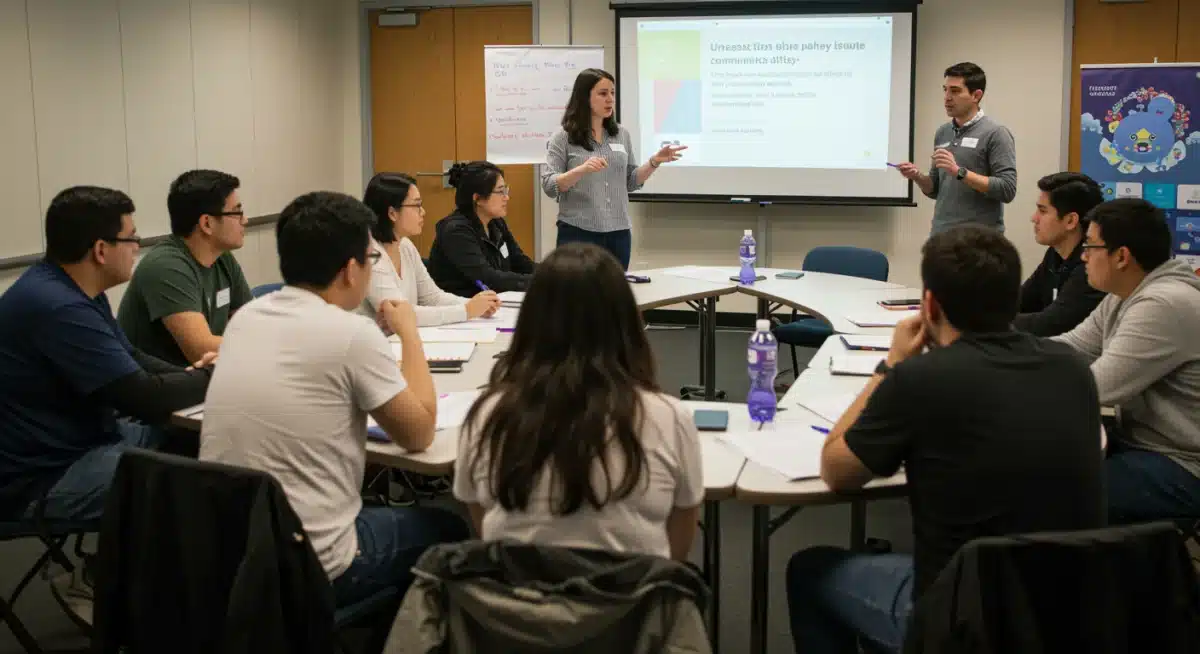
Schools are exploring various approaches, including observational assessments, self-reflection journals, peer feedback, and project-based evaluations that highlight collaborative skills. The focus is on tracking growth in areas like empathy, communication effectiveness, and conflict resolution over time. These qualitative and quantitative data points provide a more comprehensive picture of student development.
Ultimately, the desired outcomes extend beyond individual student success to broader societal benefits, such as reduced bullying, improved school climate, and enhanced community engagement. Demonstrating these long-term impacts will be key to sustaining public and institutional commitment to prioritizing relationship building skills. Effective measurement will validate the investment.
Developing Relevant Assessment Tools
Developing relevant assessment tools for relationship building skills requires a shift from conventional testing models to more dynamic and authentic evaluation methods. These tools must capture nuances of social interaction and emotional understanding that are difficult to quantify through multiple-choice questions. The goal is to provide meaningful feedback, not just scores.
Rubrics for collaborative projects can evaluate teamwork and communication, while behavioral observations in classroom settings can assess empathy and conflict resolution. Student portfolios, including reflections and examples of their social interactions, can also offer valuable insights. These diverse tools help create a comprehensive picture of a student’s social-emotional growth.
Furthermore, incorporating student self-assessment and peer assessment can empower learners to take ownership of their development and provide valuable perspectives on their interpersonal skills. The ongoing refinement of these assessment methods is critical to accurately track progress and demonstrate the effectiveness of new curricula. This iterative process is essential for continuous improvement.
Long-Term Benefits for Individuals and Society
The long-term benefits of prioritizing relationship building skills in education extend far beyond individual student success, impacting society as a whole. Graduates equipped with strong interpersonal competencies are more likely to thrive in their careers, form lasting personal relationships, and contribute meaningfully to their communities. This creates a ripple effect of positive change.
Individuals with well-developed relationship skills often experience higher levels of life satisfaction, better mental health, and greater resilience in the face of adversity. Societally, a populace with enhanced empathy and communication skills can lead to reduced social friction, increased civic engagement, and a more cooperative and understanding culture. These are foundational elements for a flourishing society.
Investing in these skills today is an investment in a more harmonious and productive future, fostering generations capable of navigating complex global challenges with grace and collaboration. The returns on this educational shift are immeasurable, promising a more connected and compassionate world for everyone. This forward-thinking approach is critical for sustainable progress.
Policy Implications and Funding for 2026 Curricula
The national survey’s findings carry significant policy implications, signaling a clear need for legislative action and dedicated funding to support the integration of relationship building skills into 2026 educational curricula. This public mandate will likely prompt policymakers to consider new mandates, guidelines, and financial allocations to ensure successful implementation across states. The scale of this transformation requires systemic support.
Federal and state education departments will need to develop frameworks that guide curriculum development, teacher training, and assessment strategies for social-emotional learning. Funding mechanisms will be crucial for providing schools with the necessary resources, including professional development for educators, new teaching materials, and support staff. Without adequate financial backing, widespread adoption will be challenging.
Furthermore, policies may need to address accountability measures, ensuring that schools are effectively integrating and evaluating these skills, rather than treating them as an afterthought. This legislative push reflects a commitment to a more comprehensive educational model. The engagement of various governmental bodies will be essential to translate public desire into concrete educational realities.
The Future of Education: A Holistic Approach
The overwhelming consensus revealed by the National Survey Reveals 75% of Americans Prioritize Relationship Building Skills in 2026 Educational Curricula points towards a future where education embraces a truly holistic approach. This vision moves beyond traditional academic rigor to encompass the full spectrum of human development, recognizing that social and emotional intelligence are as vital as intellectual capacity. The future classroom will be a space for comprehensive growth.
This shift signifies a profound re-evaluation of what it means to be educated in the 21st century, preparing students not just for tests but for life’s intricate challenges and opportunities. The emphasis on relationship building skills will foster individuals who are not only knowledgeable but also empathetic, resilient, and capable of fostering meaningful connections. This holistic model is poised to become the new standard.
Ultimately, the integration of these skills promises to cultivate a generation of well-rounded citizens who can contribute positively to their communities and navigate an ever-changing world with confidence and compassion. This forward-thinking educational paradigm reflects a collective aspiration for a more connected and understanding society. It is a powerful step towards building a brighter future.
| Key Finding | Description |
|---|---|
| Public Priority | 75% of Americans prioritize relationship building skills in 2026 curricula. |
| Skill Importance | Essential for mental health, career, and civic engagement. |
| Implementation Needs | Requires teacher training, resources, and innovative pedagogy. |
| Long-Term Impact | Fosters well-rounded individuals and harmonious society. |
Frequently Asked Questions About Relationship Building Skills in Education
Relationship building skills in education include competencies like empathy, active listening, effective communication, and conflict resolution. These are vital for students to form healthy personal and professional connections, fostering collaboration and understanding in various social settings. They aim to develop emotional intelligence and social awareness in learners.
Americans prioritize these skills due to their increasing importance in the modern workforce, their role in fostering mental well-being, and their contribution to a more cohesive society. There’s a growing recognition that academic success alone is insufficient, and students need social-emotional tools to navigate complex life challenges effectively.
Integration will involve innovative pedagogical approaches such as project-based learning, role-playing, and service-learning. It also requires comprehensive teacher training and professional development to equip educators with the tools to teach and model these competencies. The goal is to embed these skills across subjects, not just as standalone lessons.
Challenges include developing effective assessment tools for social-emotional skills, ensuring adequate funding and resources for implementation, and providing sufficient teacher training. Overcoming these hurdles will require sustained commitment from policymakers, educators, parents, and communities to ensure successful and widespread adoption.
The long-term benefits are substantial, including improved student mental health, enhanced career readiness, and a more empathetic society. Graduates will be better equipped to navigate personal and professional challenges, fostering stronger communities and contributing to a more collaborative and understanding world. It’s an investment in holistic human development.
What This Means for American Education
The findings from the National Survey Reveals 75% of Americans Prioritize Relationship Building Skills in 2026 Educational Curricula represent a clear and compelling directive for the future of American education. This widespread public consensus signals a fundamental shift in what society expects from its schools, moving towards a more holistic model of student development. Educational institutions are now tasked with not only imparting academic knowledge but also fostering the essential social and emotional competencies that underpin personal and professional success.
This means a renewed focus on curriculum development that intentionally integrates empathy, communication, and conflict resolution across all grade levels and subjects. It necessitates significant investment in teacher training, equipping educators with the pedagogical tools to effectively teach and model these vital relationship building skills. Furthermore, it implies a collaborative effort involving parents, communities, and policymakers to create a supportive ecosystem where these skills are valued and reinforced.
Looking ahead, the successful implementation of these priorities will likely lead to a generation of more resilient, empathetic, and collaborative individuals, better prepared to navigate the complexities of a rapidly evolving world. This educational transformation holds the promise of fostering stronger communities, more innovative workplaces, and a more connected society overall. The journey to integrate relationship building skills into the core of American education is now firmly underway, marking a pivotal moment in our collective approach to learning and human development.