Federal Funding for Mental Health Up 20% in FY2026
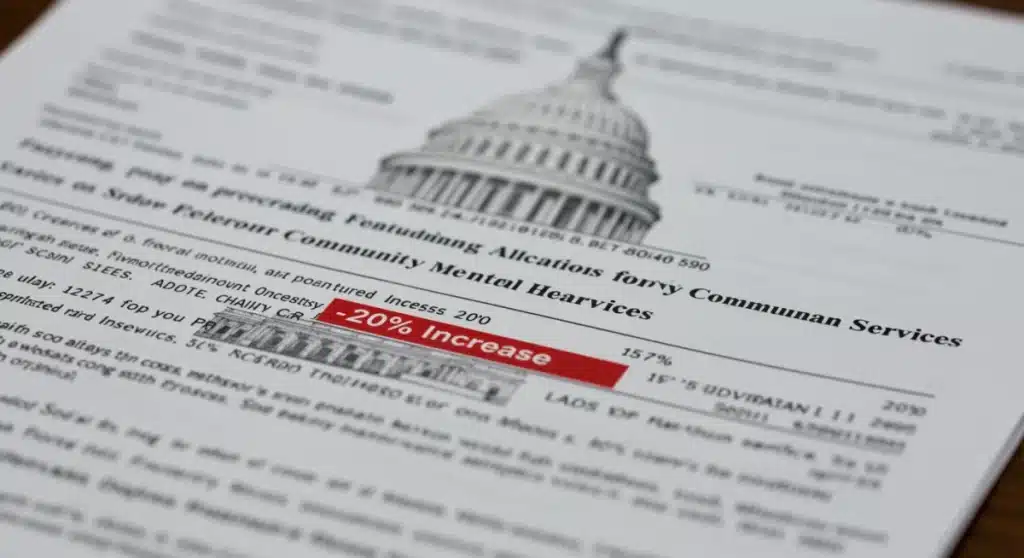
The latest developments on Legislative Update: Federal Funding Allocations for Community Mental Health Services Increased by 20% for Fiscal Year 2026 are now public, detailing key facts, verified sources, and what readers need to monitor next in the United States. This report prioritizes what has changed, why it matters, and what to watch next in a clear, journalistic format.
A significant Legislative Update: Federal Funding Allocations for Community Mental Health Services Increased by 20% for Fiscal Year 2026 has been announced, marking a pivotal moment for mental health care nationwide. This substantial increase in federal mental health funding signals a renewed commitment to addressing the growing demand for accessible and comprehensive mental health support.
The implications of this legislative action are far-reaching, promising to enhance existing programs and foster new initiatives aimed at improving the well-being of countless individuals. Stakeholders across the healthcare spectrum are now analyzing the specific allocations and their potential impact on local communities.
This update is set to reshape the landscape of mental health services, providing much-needed resources to expand access, reduce disparities, and strengthen the infrastructure of mental health care. Understanding the details of this increase is crucial for anyone involved in or affected by community mental health.
Understanding the 20% Increase in Federal Mental Health Funding
The recent legislative update confirms a substantial 20% boost in federal funding earmarked specifically for community mental health services for Fiscal Year 2026. This increase reflects a growing recognition within the government of the critical need for robust mental health infrastructure.
This decision follows extensive advocacy from mental health organizations and a bipartisan consensus on the urgency of addressing mental health challenges across the nation. The additional funds are expected to flow into various programs designed to support individuals at all stages of their mental health journey.
The allocation aims to strengthen prevention, intervention, and recovery services, ensuring that more Americans have access to the care they need. This Legislative Update: Federal Funding Allocations for Community Mental Health Services Increased by 20% for Fiscal Year 2026 represents a monumental step forward.
Anúncios
Key Drivers Behind the Funding Surge
Several factors converged to drive this significant increase in federal mental health funding. The ongoing mental health crisis, exacerbated by recent global events, has highlighted systemic gaps and the urgent need for expanded services and resources.
Data from various national health surveys consistently showed rising rates of anxiety, depression, and other mental health conditions, prompting lawmakers to prioritize this area. Public outcry and persistent lobbying efforts from mental health advocates also played a crucial role in bringing this issue to the forefront of the legislative agenda.
Furthermore, economic analyses demonstrated that investing in mental health services yields substantial societal benefits, including increased productivity and reduced healthcare costs in the long run. This comprehensive understanding underpinned the decision for the significant Legislative Update: Federal Funding Allocations for Community Mental Health Services Increased by 20% for Fiscal Year 2026.
Legislative Momentum and Bipartisan Support
The push for increased federal mental health funding gained considerable momentum through bipartisan collaboration in Congress. Lawmakers from both sides of the aisle recognized the universal impact of mental health issues, transcending political divides.
This unified front allowed for the swift passage of legislation allocating these funds, demonstrating a shared commitment to improving public health. The consensus on the importance of community mental health services was a key enabler for this legislative success.
Addressing Disparities and Access Gaps
- Targeting underserved populations, including rural and minority communities.
- Expanding tele-mental health services to reach more individuals.
- Investing in workforce development for mental health professionals.
A primary goal of this increased federal mental health funding is to address long-standing disparities in access to mental health care. Many communities, particularly those in rural areas or with limited resources, have struggled to provide adequate services.
Impact on Community Mental Health Services
The 20% increase in federal funding for community mental health services is poised to have a transformative impact on local care providers. These funds will enable organizations to expand their reach, enhance program offerings, and improve the quality of care delivered to their communities.
Many community mental health centers operate on tight budgets, often struggling to meet the escalating demand for services. This infusion of capital will provide much-needed relief, allowing for critical investments in staffing, technology, and facility improvements.
Ultimately, this legislative action will translate into more accessible, comprehensive, and effective mental health support for individuals across the United States. The Legislative Update: Federal Funding Allocations for Community Mental Health Services Increased by 20% for Fiscal Year 2026 is a game-changer.
Expanded Program Offerings and Service Availability
With additional resources, community mental health centers can introduce new programs tailored to specific community needs, such as early intervention for youth or specialized care for veterans. The expansion of existing services, including individual and group therapy, crisis intervention, and medication management, is also anticipated.
This means shorter wait times for appointments and a greater variety of treatment options available to those seeking help. The aim is to create a more responsive and inclusive mental health system that can effectively serve a broader demographic.

Strengthening the Mental Health Workforce
- Funding for training and recruitment of mental health professionals.
- Support for loan forgiveness programs for practitioners in underserved areas.
- Initiatives to promote diversity and cultural competency within the workforce.
A significant portion of the new federal mental health funding will likely be directed towards bolstering the mental health workforce. The shortage of qualified professionals has been a persistent challenge, particularly in areas with high demand and limited resources.
Allocations and Implementation Strategies
Details regarding the specific allocations of this increased federal mental health funding are now emerging, outlining how the funds will be distributed and utilized. Federal agencies, primarily the Substance Abuse and Mental Health Services Administration (SAMHSA), will oversee the dispersal of these funds to states and local entities.
States will be tasked with developing detailed implementation plans, ensuring that the funds are used effectively to meet the unique mental health needs of their populations. These plans will likely emphasize evidence-based practices and innovative approaches to service delivery.
Transparency and accountability will be key components of the implementation process, with regular reporting required to track progress and ensure adherence to legislative intent. This Legislative Update: Federal Funding Allocations for Community Mental Health Services Increased by 20% for Fiscal Year 2026 demands careful management.
Priority Areas for Funding Distribution
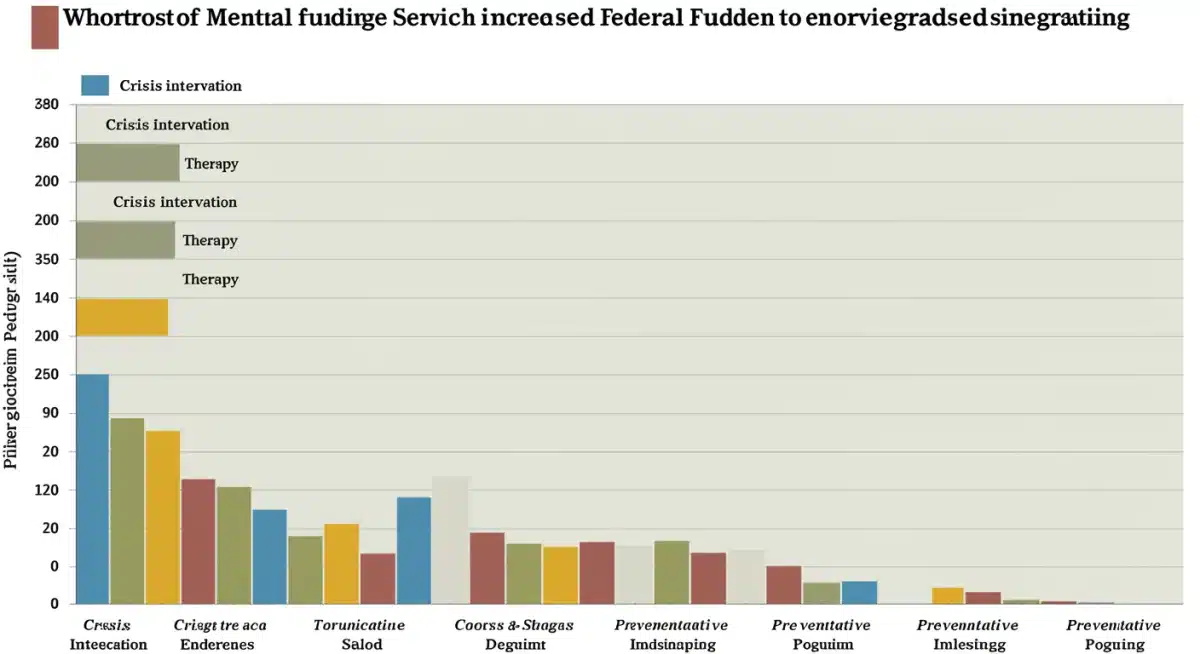
Initial reports suggest that priority areas for funding distribution will include crisis intervention services, mental health support for youth, and programs addressing the opioid crisis. There will also be a strong emphasis on integrating mental health care with primary care services.
This integrated approach aims to provide holistic care, recognizing the interconnectedness of physical and mental well-being. Furthermore, funds will support initiatives focused on preventative mental health strategies and early detection of mental health conditions.
Monitoring and Evaluation Frameworks
- Establishment of performance metrics for funded programs.
- Regular audits and reviews to ensure fiscal responsibility.
- Collection of data on patient outcomes and service accessibility.
To ensure the effectiveness of this significant federal mental health funding, robust monitoring and evaluation frameworks will be put in place. These frameworks will allow federal and state agencies to assess the impact of the increased funding and make necessary adjustments to strategies.
Challenges and Opportunities Ahead
While the Legislative Update: Federal Funding Allocations for Community Mental Health Services Increased by 20% for Fiscal Year 2026 presents immense opportunities, it also comes with inherent challenges. The sheer scale of the funding increase requires careful planning and coordination to ensure efficient and equitable distribution.
One significant challenge will be the capacity of existing mental health infrastructure to absorb and effectively utilize the increased funds without overwhelming current systems. Workforce shortages, particularly in specialized areas, remain a concern that needs to be actively addressed.
However, these challenges also present opportunities for innovation, collaboration, and systemic improvements within the mental health sector. The focus on federal mental health funding provides a platform for long-term strategic planning.
Overcoming Implementation Hurdles
States and local providers will need to swiftly adapt to new administrative requirements and reporting procedures associated with the increased funding. Training and technical assistance will be crucial to help organizations navigate these changes and maximize the impact of the new resources.
Building effective partnerships between government agencies, healthcare providers, and community organizations will also be essential for successful implementation. Collaborative efforts can streamline processes and ensure that services reach those who need them most.
Fostering Innovation in Mental Health Care
- Encouraging the adoption of new technologies for mental health delivery.
- Supporting research into more effective treatment modalities.
- Promoting community-led initiatives and peer support programs.
The increased federal mental health funding offers a unique opportunity to foster innovation in mental health care. This includes investing in digital health solutions, artificial intelligence for early diagnosis, and personalized treatment plans that can revolutionize how mental health services are delivered.
Long-Term Outlook for Mental Health Care
The Legislative Update: Federal Funding Allocations for Community Mental Health Services Increased by 20% for Fiscal Year 2026 sets a new precedent for federal commitment to mental health. This significant investment is expected to yield long-term positive outcomes, fundamentally altering the landscape of mental health care in the United States.
Beyond the immediate benefits of expanded services, this funding increase could catalyze a broader cultural shift, reducing stigma associated with mental illness and encouraging more individuals to seek help. It signals a national prioritization of mental well-being alongside physical health.
The sustained commitment implied by such a substantial increase suggests a future where mental health care is more integrated, accessible, and responsive to the diverse needs of the American population. This is a crucial step towards a healthier society.
Sustainability and Future Funding Prospects
While the 20% increase for FY2026 is a major victory, discussions will inevitably turn to the sustainability of this funding level in subsequent fiscal years. Advocacy groups will continue to press for consistent and growing investment in mental health services.
The success of programs funded by this allocation will be critical in demonstrating the value and necessity of ongoing federal support. Positive outcomes and efficient use of funds will strengthen the case for future allocations.
Shaping a Healthier Future
- Creating a more resilient and responsive mental health system.
- Reducing the societal and economic burden of mental illness.
- Empowering individuals to achieve better mental health outcomes.
This legislative update has the potential to shape a healthier future for generations to come. By investing in community mental health services, the nation is investing in its people, their productivity, and their overall quality of life. The impact of this federal mental health funding will resonate for years.
Public and Professional Reactions to the Increase
The announcement of the Legislative Update: Federal Funding Allocations for Community Mental Health Services Increased by 20% for Fiscal Year 2026 has been met with widespread positive reactions from both the public and mental health professionals. Many view this as a long-overdue and much-needed investment in a critical area of public health.
Mental health advocates have lauded the decision as a testament to years of tireless work in raising awareness and pushing for policy changes. Patients and their families express hope that this funding will translate into tangible improvements in access to care and quality of services.
Professionals in the field anticipate that the increased resources will alleviate some of the pressures on an overburdened system, allowing them to provide more comprehensive and timely care. This federal mental health funding is seen as a lifeline for many.
Statements from Advocacy Groups
Leading mental health advocacy organizations have issued statements praising the legislative action, emphasizing its potential to transform lives. They highlight the importance of ensuring that the funds reach the most vulnerable populations and address systemic inequities.
These groups also stress the need for continued oversight to ensure that the allocated funds are utilized effectively and transparently. Their role in monitoring implementation will be crucial in the coming years.
Healthcare Provider Perspectives
- Anticipation of expanded hiring and training opportunities.
- Expectation of enhanced service delivery capabilities.
- Hope for reduced burnout among existing staff due to better resource allocation.
Healthcare providers, particularly those working in community mental health centers, are cautiously optimistic. While welcoming the increased federal mental health funding, they also recognize the significant work ahead in implementing new programs and managing increased demand.
The Role of States in Implementing New Federal Mental Health Funding
With the Legislative Update: Federal Funding Allocations for Community Mental Health Services Increased by 20% for Fiscal Year 2026, states will play a crucial role in translating federal policy into local impact. Each state will be responsible for developing its own strategies for distributing and utilizing these funds to best serve its unique population.
This involves assessing existing mental health needs, identifying gaps in services, and allocating resources to programs that demonstrate the greatest potential for positive outcomes. State mental health agencies will become central figures in this expansive implementation effort.
Collaboration between state governments, local municipalities, and community organizations will be essential to ensure a coordinated and effective approach to mental health care delivery. The success of this federal mental health funding hinges on strong state leadership.
State-Specific Challenges and Opportunities
States face varying challenges, from rural access issues to urban resource demands, which will influence their allocation strategies. This presents an opportunity for innovative, tailored solutions that address specific regional needs.
Some states may focus on expanding tele-mental health initiatives, while others might prioritize school-based mental health programs or crisis response teams. The flexibility in state-level implementation allows for targeted interventions.
Accountability and Reporting Requirements
- Developing robust data collection systems to track outcomes.
- Ensuring compliance with federal guidelines and reporting mandates.
- Conducting regular program evaluations to measure effectiveness.
States will be held accountable for the effective use of these federal mental health funding allocations. This includes stringent reporting requirements to demonstrate how the funds are impacting mental health outcomes and service accessibility within their jurisdictions.
| Key Point | Brief Description |
|---|---|
| Funding Increase | 20% rise in federal funding for community mental health services for FY2026. |
| Impact on Services | Expected expansion of access, programs, and workforce development. |
| Implementation | States to develop plans, overseen by federal agencies (SAMHSA). |
| Challenges/Opportunities | Addressing workforce shortages while fostering innovation in care delivery. |
Frequently Asked Questions About Federal Mental Health Funding
This increase means your community could see expanded mental health services, more qualified professionals, and better access to care. Local community mental health centers will receive more resources to address specific needs, potentially reducing wait times and increasing program availability.
The increased allocations are designated for Fiscal Year 2026, which typically begins on October 1, 2025. While the legislative update is official, the actual distribution and implementation of funds will begin around that time, with gradual rollout into programs.
You can contact your state’s mental health agency or local community mental health centers for information on how the funds will be allocated. They often publish plans or hold public forums to discuss upcoming initiatives and program expansions resulting from this federal mental health funding.
A portion of the increased funding is specifically aimed at workforce development, including recruitment, training, and retention of mental health professionals. This strategic investment is expected to alleviate some of the existing shortages, particularly in underserved regions, over time.
Individuals can support these initiatives by staying informed, advocating for continued funding, and participating in local community mental health programs. Engaging with local representatives and sharing personal stories can also help sustain momentum for mental health advancements.
Looking Ahead: The Future of Federal Mental Health Funding
The Legislative Update: Federal Funding Allocations for Community Mental Health Services Increased by 20% for Fiscal Year 2026 represents a landmark achievement, yet it is just one step in an ongoing journey. What happens next involves meticulous planning, robust oversight, and continuous advocacy to ensure these funds translate into tangible, lasting improvements.
The focus will now shift to effective implementation at the state and local levels, tracking outcomes, and demonstrating the profound impact of increased federal mental health funding. This period will be crucial for solidifying the case for sustained and even greater investment in mental health for future fiscal years.
As the nation moves forward, the commitment to mental well-being must remain a top priority, with this legislative success serving as a powerful precedent for future policy decisions. The long-term health of our communities depends on it.