Federal Mental Health Guidelines for Workplaces by Q2 2026

New federal guidelines for mental health support in workplaces are anticipated by Q2 2026, marking a significant shift. This development aims to standardize mental health resources, ensuring better employee well-being. Employers should prepare for forthcoming changes, as these guidelines will redefine workplace mental health programs.
Breaking News: New Federal Guidelines for Mental Health Support in Workplaces Expected by Q2 2026 marks a pivotal moment for employee well-being across the United States. This impending regulatory shift signals a proactive approach from federal agencies to address the escalating mental health crisis within professional environments. The guidelines are poised to introduce comprehensive standards, moving beyond mere recommendations to establish actionable requirements for employers.
The announcement has already sparked widespread discussion among HR professionals, business leaders, and mental health advocates. It underscores a growing recognition that mental health is not just a personal issue but a critical component of a healthy, productive workforce. Understanding the specifics of these forthcoming changes is crucial for all stakeholders to ensure compliance and foster genuinely supportive workplace cultures.
This article will delve into the anticipated scope of these guidelines, their potential impact, and the steps organizations can take to prepare for their implementation. We will explore the driving forces behind this initiative and what it means for the future of workplace mental health.
The Impetus Behind New Federal Guidelines
The push for new federal guidelines stems from a growing body of evidence highlighting the pervasive impact of mental health challenges on the American workforce. Studies consistently show that mental health conditions lead to significant productivity losses, increased absenteeism, and higher healthcare costs for businesses.
Furthermore, the COVID-19 pandemic exacerbated existing stressors, bringing mental health to the forefront of national discourse. Many organizations struggled to provide adequate support, revealing gaps in existing frameworks and a clear need for standardized, comprehensive interventions. This collective experience accelerated the legislative and policy initiatives now culminating in these anticipated guidelines.
Advocacy groups and mental health organizations have played a crucial role in lobbying for these changes, emphasizing the moral and economic imperative to support employee mental well-being. Their persistent efforts have helped to shape the current dialogue and influence the direction of the upcoming federal guidelines.
Anúncios
Anticipated Scope and Key Areas of Focus
While the full details of the new federal guidelines are still under wraps, preliminary discussions suggest a broad and impactful scope. Experts anticipate that the guidelines will address several critical areas, aiming to create a more supportive and inclusive environment for employees.
These areas are expected to include proactive mental health promotion, accessible support services, and clear protocols for addressing mental health crises. The goal is to move beyond reactive measures, fostering a culture where mental health is openly discussed and adequately supported.
The guidelines are also likely to emphasize the importance of leadership training and manager education in recognizing and responding to mental health concerns. This comprehensive approach seeks to embed mental health support at all levels of an organization.
Mandatory Mental Health Training
One of the most significant anticipated changes is the potential for mandatory mental health training for all employees, particularly for managers and supervisors. This training would equip leaders with the skills to identify signs of distress, engage in supportive conversations, and direct employees to appropriate resources.
Such training is crucial for destigmatizing mental health issues and creating an environment where employees feel comfortable seeking help. It would also help ensure a consistent approach to mental health support across different departments and organizations, aligning with the broader goals of the new federal guidelines.
- Identify common mental health conditions and their workplace impact.
- Develop skills for empathetic communication and active listening.
- Understand legal obligations regarding mental health accommodations.
- Learn how to connect employees with professional mental health services.
Enhanced Access to Mental Health Services
The forthcoming guidelines are expected to mandate improved access to mental health services for employees. This could involve requirements for employer-sponsored health plans to offer robust mental health coverage, comparable to physical health benefits, as well as providing direct access to Employee Assistance Programs (EAPs) with expanded services.
The aim is to remove barriers to care, ensuring that employees can easily and confidentially access the support they need. This focus on accessibility is a core component of the new federal guidelines, reflecting a commitment to tangible support for the workforce.
Timeline and Implementation Phases
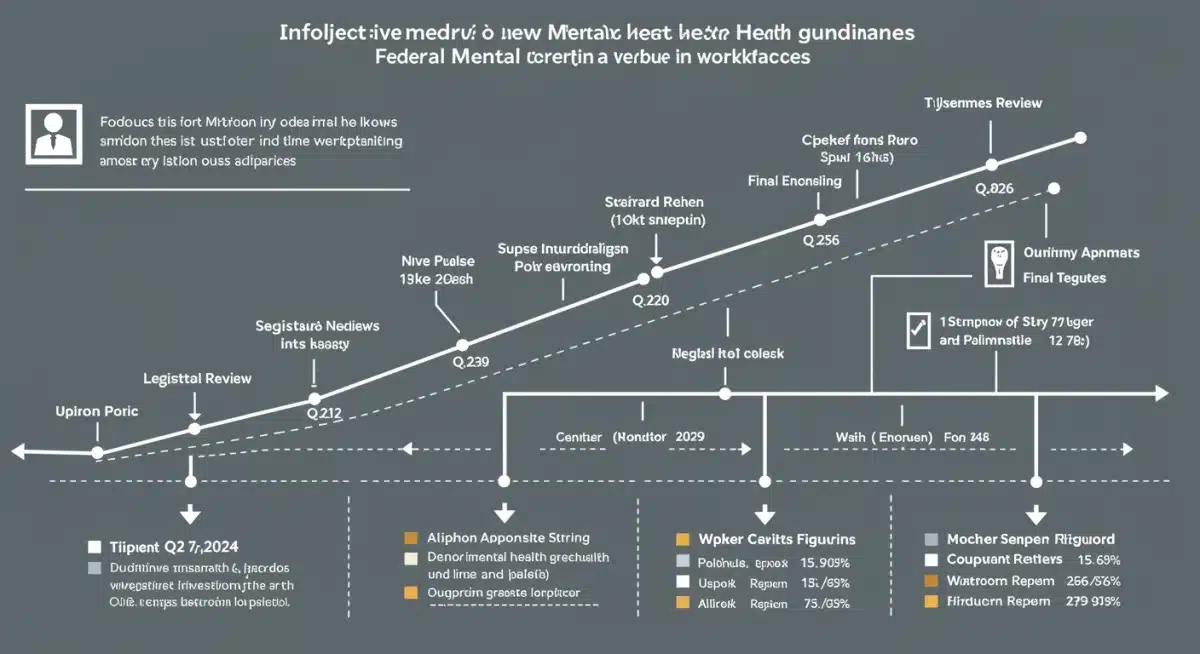
The expectation of new federal guidelines by Q2 2026 suggests a structured implementation timeline. This period allows for legislative review, public comment, and the development of detailed enforcement mechanisms. Organizations will need to closely monitor these phases to understand the precise requirements and deadlines.
The initial phase will likely involve the release of draft guidelines, followed by a period where stakeholders can provide feedback. This collaborative process is essential for refining the guidelines and ensuring their practical applicability across diverse industries. The federal government aims for a comprehensive yet adaptable framework.
Following the public comment period, final guidelines will be issued, along with resources and tools to aid organizations in compliance. This phased approach is designed to give employers ample time to adapt their policies and programs to meet the new standards set by the federal guidelines.
Preparing for Regulatory Changes
Proactive preparation is paramount for organizations to seamlessly transition to the new regulatory landscape. This involves conducting an internal audit of existing mental health programs, identifying areas for improvement, and allocating necessary resources.
Engaging with legal and HR experts will be crucial to interpret the guidelines correctly and ensure full compliance. Early planning can mitigate potential disruptions and position organizations as leaders in employee well-being, further reinforcing the importance of workplace mental health guidelines.
- Review current mental health benefits and EAP offerings.
- Assess existing training programs for managers and employees.
- Consult with legal counsel on potential compliance requirements.
- Develop a budget for implementing new mental health initiatives.
Impact on Employers and Employees
The introduction of these new federal guidelines will have significant implications for both employers and employees. For employers, it means a more structured and accountable approach to mental health, potentially requiring investments in new programs, training, and resources. However, these investments are expected to yield substantial returns in terms of increased productivity, reduced turnover, and a more engaged workforce.
Employees, on the other hand, stand to benefit from a more supportive and understanding workplace environment. Enhanced access to mental health resources, reduced stigma, and a clearer pathway for seeking help will contribute to their overall well-being and job satisfaction. This shift represents a fundamental improvement in how mental health is perceived and managed in professional settings, directly addressing the need for robust workplace mental health guidelines.
Ultimately, the goal of the federal guidelines is to foster healthier, more resilient workplaces. By establishing clear standards, the initiative aims to create a consistent baseline of mental health support across all industries, ensuring that every employee has access to the care they need.
Challenges and Opportunities for Businesses
While the new federal guidelines present numerous benefits, businesses may face challenges during the implementation phase. These could include the financial burden of new programs, the need to reallocate resources, and the cultural shift required to fully embrace mental health as a priority. Small and medium-sized businesses, in particular, may require additional support to meet the new requirements.
However, these challenges also create significant opportunities. Companies that proactively adapt to the new guidelines can enhance their employer brand, attracting and retaining top talent. A strong commitment to mental health can differentiate an organization in a competitive labor market and foster a reputation for caring.
Furthermore, investing in employee mental health can lead to a more resilient and productive workforce, ultimately contributing to long-term business success. The new federal guidelines provide a framework for organizations to build stronger, more supportive environments, turning potential obstacles into strategic advantages.
The Role of Technology in Mental Health Support
Technology is poised to play a crucial role in the successful implementation of the new federal guidelines for workplace mental health. Digital platforms, telehealth services, and AI-powered tools can significantly enhance the accessibility and effectiveness of mental health support programs. These innovations offer flexible and confidential options for employees seeking help.
Telehealth, in particular, has seen a surge in adoption and is expected to be a cornerstone of expanded mental health services. It allows employees to connect with therapists and counselors from anywhere, reducing barriers such as commute time, scheduling conflicts, and geographical limitations. This aligns perfectly with the objectives of the new workplace mental health guidelines.
Moreover, digital tools can help organizations track the effectiveness of their mental health initiatives, gather anonymous feedback, and identify areas for improvement. Data-driven insights will be invaluable in refining programs and ensuring they meet the evolving needs of the workforce, all within the framework of the new federal guidelines.
Leveraging Digital Platforms
Implementing digital platforms for mental health resources can streamline access to information, self-help tools, and professional support. These platforms can host educational content, provide mindfulness exercises, and offer direct links to EAPs or therapy services.
Such platforms ensure employees have a centralized, easy-to-navigate resource for all their mental health needs. This digital integration is a key strategy for fulfilling the requirements of the new federal guidelines and providing comprehensive support.
- Provide a centralized hub for mental health resources.
- Offer anonymous self-assessment tools and guided exercises.
- Facilitate confidential scheduling for virtual therapy sessions.
- Track engagement and outcomes to refine mental health programs.
Future Outlook for Workplace Mental Health
The impending release of new federal guidelines for mental health support in workplaces by Q2 2026 marks a significant step towards a future where employee well-being is paramount. This initiative is not merely a regulatory update but a cultural shift, aiming to integrate mental health considerations into the very fabric of organizational operations. The long-term effects are expected to be transformative, fostering more compassionate and productive work environments.
As organizations prepare for these changes, the focus will increasingly shift towards creating holistic well-being programs that address both physical and mental health. This integrated approach recognizes the interconnectedness of these aspects and seeks to provide comprehensive support for employees. The new federal guidelines will serve as a foundational framework for these expanded efforts.
Ultimately, the future of workplace mental health will be characterized by greater transparency, accessibility, and a proactive commitment from employers. The federal guidelines are set to catalyze this evolution, ensuring that mental health support becomes a standard, rather than an exception, in every workplace.
| Key Point | Brief Description |
|---|---|
| Expected Release Date | New federal guidelines anticipated by Q2 2026. |
| Core Focus | Standardizing mental health support and resources in workplaces. |
| Key Implications | Mandatory training, enhanced access to services, and cultural shift. |
| Preparation Needed | Employers must audit current programs and consult experts. |
Frequently Asked Questions About Workplace Mental Health Guidelines
These are anticipated federal regulations designed to standardize and enhance mental health support within American workplaces. They aim to move beyond voluntary initiatives, establishing clear requirements for employers regarding mental health programs, training, and access to services, impacting how mental health is addressed in professional settings.
The new federal guidelines for mental health support in workplaces are currently expected to be released and begin implementation by the second quarter of 2026. This timeline allows for public comment periods and necessary legislative reviews before the guidelines become fully enforceable across the country.
Employers will likely need to review and potentially overhaul their existing mental health programs, invest in mandatory training for staff, and ensure robust access to mental health services for employees. The guidelines will require a more proactive and accountable approach to fostering a mentally healthy workplace environment.
Employees can anticipate improved access to mental health resources, a reduction in workplace mental health stigma, and a more supportive culture where their well-being is prioritized. These guidelines aim to create environments where seeking help is normalized and readily available, enhancing overall job satisfaction and well-being.
Organizations should begin by auditing their current mental health provisions, engaging with HR and legal experts to understand potential compliance needs, and planning for necessary budgetary allocations. Early preparation will ensure a smoother transition and adherence to the new federal guidelines when they come into effect.
Looking Ahead: The Future of Workplace Mental Health
The anticipation of new federal guidelines for mental health support in workplaces by Q2 2026 signals an irreversible shift in corporate responsibility towards employee well-being. This development underscores a national commitment to fostering healthier work environments, moving beyond reactive measures to proactive, systemic support. Organizations that embrace these changes early will not only comply with regulations but also cultivate a more resilient, engaged, and productive workforce, driving long-term success. The new federal guidelines are set to redefine expectations and elevate mental health as a core business imperative.